
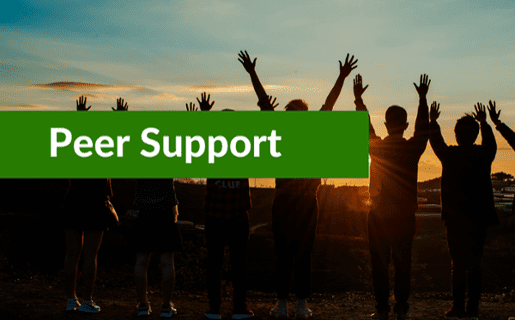
 When a child is struggling with addiction or mental health challenges, recovery is not something they go through alone. It is a shared journey that involves family, peers, and professional care working together. For children and teens, strong support systems can be the difference between ongoing struggle and lasting recovery. Peer connection and family involvement create a foundation of trust, stability, and encouragement that helps young people move from crisis into healing and strength.
At Fentress Kids, recovery is approached through compassionate, individualized care that includes addiction recovery services, mental health treatment, inpatient and outpatient programs, and holistic support. Within this framework, peer and family support play a powerful role in helping children build resilience and sustain progress.
Why Support Systems Matter in Youth Recovery
Children and teens facing substance use often feel isolated, misunderstood, or ashamed. These emotions can make it harder for them to engage in treatment or believe in their ability to recover. Support systems help counter these feelings by creating connection, understanding, and accountability.
When children feel supported by both their family and peers, they are more likely to stay engaged in treatment, develop healthy coping skills, and maintain long-term recovery. Emotional connection is not just helpful in recovery. It is essential.
The Power of Family Support in Recovery
Creating a Stable and Supportive Environment
Family involvement provides children with a sense of safety and structure. A stable home environment helps reduce stress and gives children the consistency they need during recovery.
Simple actions such as maintaining routines, setting clear expectations, and offering emotional reassurance can significantly improve recovery outcomes.
Improving Communication and Trust
Addiction and mental health struggles can strain family relationships. Family therapy and open communication help rebuild trust over time. When children feel heard instead of judged, they are more likely to share their challenges honestly.
This openness allows families and care providers to respond more effectively to their needs.
Reinforcing Healthy Behaviors
Parents and caregivers play a key role in reinforcing what children learn in treatment. Encouraging healthy habits such as sleep routines, positive coping strategies, and responsible decision making helps children apply recovery skills in everyday life.
The Role of Peer Support in Youth Recovery
Reducing Isolation Through Connection
Peer support helps children realize they are not alone in their struggles. Connecting with others who have faced similar challenges reduces shame and builds a sense of belonging.
This connection is especially important during adolescence, when peer influence plays a major role in emotional development.
Learning Through Shared Experiences
In group therapy and peer support settings, children learn from each other’s experiences. Hearing how others cope with challenges gives them practical tools they can apply in their own recovery journey.
This shared learning environment encourages growth, empathy, and self awareness.
Building Confidence and Accountability
Peer relationships in recovery also promote accountability. When children are part of a supportive group, they are more likely to stay committed to their goals. Positive peer influence can reinforce confidence and help them believe in their ability to change.
Integrating Family and Peer Support with Professional Care
Peer and family support are most effective when combined with professional treatment. Programs that include inpatient and outpatient care, mental health services, and holistic approaches provide a comprehensive foundation for healing.
Inpatient and Outpatient Care
Inpatient programs offer structured, round the clock support, while outpatient care allows children to continue treatment while living at home. Both settings benefit greatly from strong family involvement and peer support networks.
Mental Health Treatment
Addressing underlying mental health conditions is essential for lasting recovery. Therapy helps children understand their emotions, manage stress, and develop healthier coping strategies.
Holistic and Faith Based Support
Holistic care approaches, including mindfulness, creative expression, physical activity, and faith based support when appropriate, help children heal emotionally and spiritually. These practices complement traditional therapy and strengthen overall resilience.
How Families Can Strengthen Support at Home
Parents and caregivers can actively support recovery by:
- Encouraging open and nonjudgmental communication
- Participating in family therapy sessions
- Supporting positive peer relationships
- Maintaining consistent routines and boundaries
- Celebrating progress, no matter how small
These actions help create an environment where recovery can grow and thrive.
Conclusion
Recovery from addiction and mental health challenges is not just about treatment. It is about connection. When children are supported by both their families and peers, they gain the strength, confidence, and stability needed to move forward. These relationships provide encouragement during difficult moments and celebrate progress along the way.
If your child is struggling with substance use or emotional challenges, compassionate help is available. With professional addiction recovery services, mental health treatment, and strong support systems in place, children can move from struggle to strength and build a healthier, more hopeful future.