
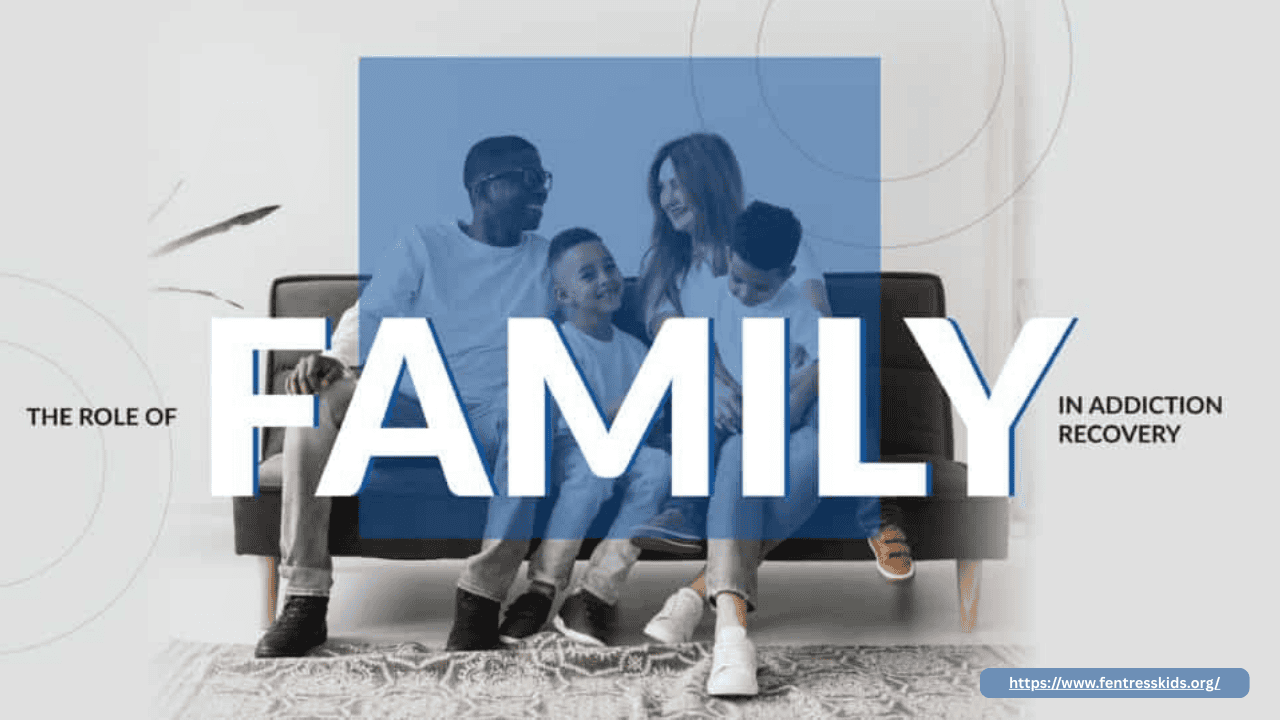
Addiction doesn’t just affect the individual—it impacts the entire family. Whether it’s a child, sibling, or spouse, watching a loved one struggle with addiction can bring feelings of fear, anger, guilt, and confusion. Families often want to help, but in doing so, they can unintentionally enable the addiction. Learning how to provide support without enabling is key to helping your loved one recover while protecting your own mental and emotional health.
Why Family Support Matters
Family plays a vital role in addiction recovery. Research shows that people in recovery are more likely to succeed when they have a strong support system. Families provide emotional encouragement, a sense of stability, and accountability. However, this support must be healthy and balanced—not rooted in rescuing or controlling the addicted person.
Supportive families can:
-
Help motivate their loved one to seek treatment
-
Provide encouragement during recovery
-
Create a safe and sober home environment
-
Reinforce positive behavior and growth
-
Participate in family therapy and healing together
But to be truly supportive, it’s essential to avoid enabling behaviors.
What Is Enabling?
Enabling is when a family member, out of love or fear, protects the addicted person from the consequences of their behavior. While the intention may be to help, the result is that the addiction is allowed to continue unchecked.
Common examples of enabling include:
-
Giving money that could be used to buy drugs or alcohol
-
Making excuses for missed work, school, or appointments
-
Bailing the person out of legal trouble
-
Ignoring or downplaying signs of relapse
-
Doing things for them that they should do themselves
Enabling delays recovery by shielding the person from the natural consequences that often push people to seek help.
How to Support Without Enabling
1. Set Clear Boundaries
Boundaries are healthy, necessary, and a form of love. Communicate what you will and will not tolerate. For example:
-
“You can stay here only if you are sober and in treatment.”
-
“I will not give you money, but I’ll help you find resources.”
Be consistent with these boundaries, even when it’s difficult.
2. Encourage Treatment
Offer to help your loved one find a treatment program, attend appointments, or look into support groups. Be proactive without pushing too hard—recovery has to be their choice.
3. Focus on Emotional Support
Be someone they can talk to without fear of judgment. Listen more than you lecture. Offer hope and remind them that they are capable of change.
4. Avoid Taking Over
Let them make their own decisions, even if they fail. Growth often comes from facing challenges and learning to overcome them.
5. Take Care of Yourself
Addiction can consume a family. Prioritize your own well-being by joining a support group like Al-Anon or seeking therapy. You can’t help others if you’re running on empty.
Conclusion
Families have a powerful role in addiction recovery. By supporting with love, setting firm boundaries, and avoiding enabling behaviors, you create a foundation that encourages lasting change. Your presence, strength, and understanding can be a lifeline—but only when paired with balance, honesty, and self-care. Recovery is not a journey your loved one has to walk alone—and neither do you.