
When your child is struggling with addiction, one of the most urgent and difficult tasks is finding the right treatment. With so many rehab programs and recovery options available, the process can feel overwhelming. As a parent, your support and guidance during this time are critical. Knowing how to evaluate treatment choices and match them to your child’s unique needs can be the first major step toward lasting recovery.
Understanding the Types of Treatment
Not all addiction treatments are the same. Different programs work for different people, depending on the severity of the addiction, any co-occurring mental health issues, age, and motivation to change. Here are the most common types:
1. Inpatient Rehab
Also called residential treatment, this involves living full-time at a rehab facility for a set period (typically 30–90 days). It provides structured care, medical supervision, and 24/7 support—ideal for severe addictions or when a safe environment is crucial.
2. Outpatient Rehab
This option allows your child to live at home while attending therapy and treatment sessions several times a week. Outpatient care is best suited for milder cases or for those transitioning from inpatient treatment.
3. Intensive Outpatient Programs (IOPs)
IOPs offer a middle ground between inpatient and outpatient rehab. They provide more structure than standard outpatient programs but allow the individual to maintain some daily routines, like work or school.
4. Detox Programs
If your child is physically dependent on a substance, detoxification may be the first step. Medically supervised detox helps safely manage withdrawal symptoms and prepares the body for the next phase of treatment.
5. Dual Diagnosis Treatment
For children dealing with both addiction and mental health issues such as depression or anxiety, dual diagnosis programs address both conditions simultaneously—something essential for a successful recovery.
How to Choose the Right Option
1. Get a Professional Assessment
Start by consulting with a doctor, addiction specialist, or counselor. A proper assessment can identify the level of care needed and recommend suitable treatment types.
2. Consider Your Child’s Needs
Think about your child’s age, mental health, substance of choice, history of relapse, and willingness to seek help. No two recovery paths are identical—choose what fits them, not what works for everyone else.
3. Check Accreditation and Credentials
Make sure the facility is licensed and accredited. Qualified staff, such as licensed therapists, medical professionals, and certified addiction counselors, should be part of the team.
4. Ask About Aftercare
Successful treatment doesn’t end when rehab is over. Ask about aftercare planning—ongoing therapy, support groups, sober living homes, and relapse prevention programs all contribute to long-term success.
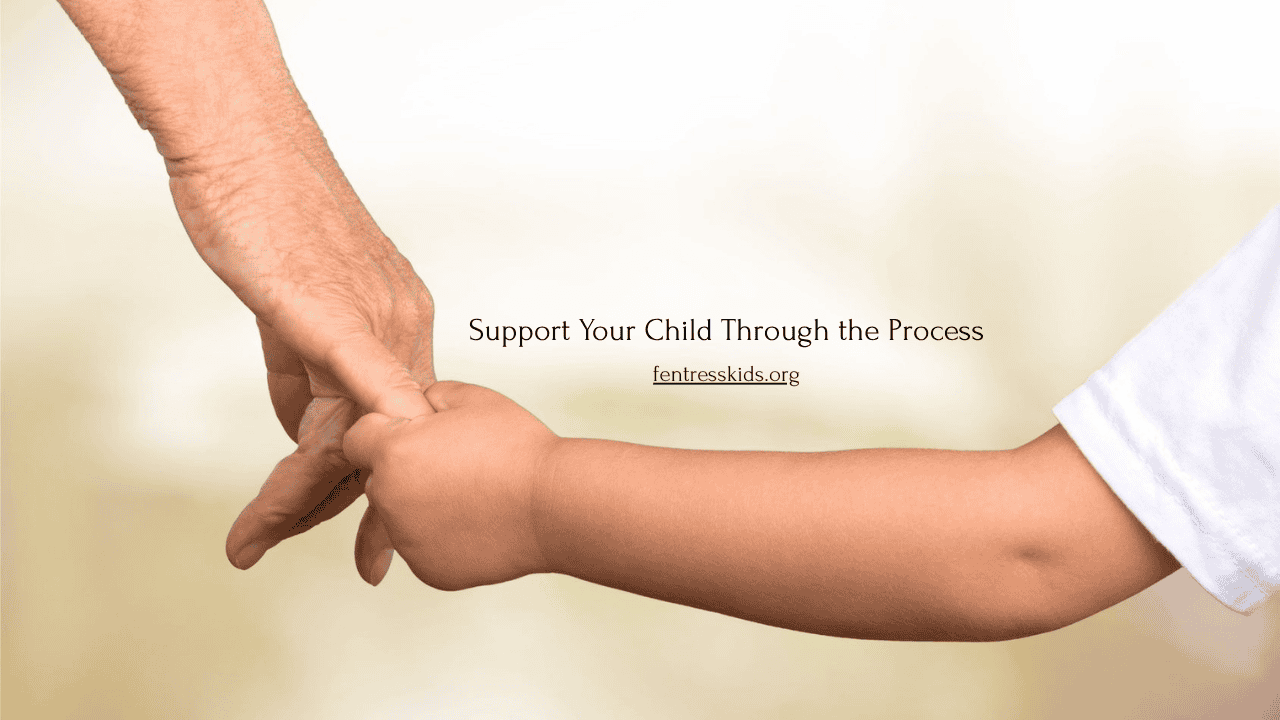
Support Your Child Through the Process
Choosing the right treatment is only the beginning. Your ongoing support—without enabling—is essential. Be involved, attend family therapy if offered, and educate yourself about addiction. Encourage your child without forcing, and respect their journey, even if it’s not perfect.
Conclusion
Finding the right treatment for your child’s addiction is one of the most important steps you can take. With careful research, professional input, and your steady support, recovery is possible. Remember: there is hope, and help is available. You don’t have to navigate this alone.
Would you like a checklist or comparison guide to different rehab options?